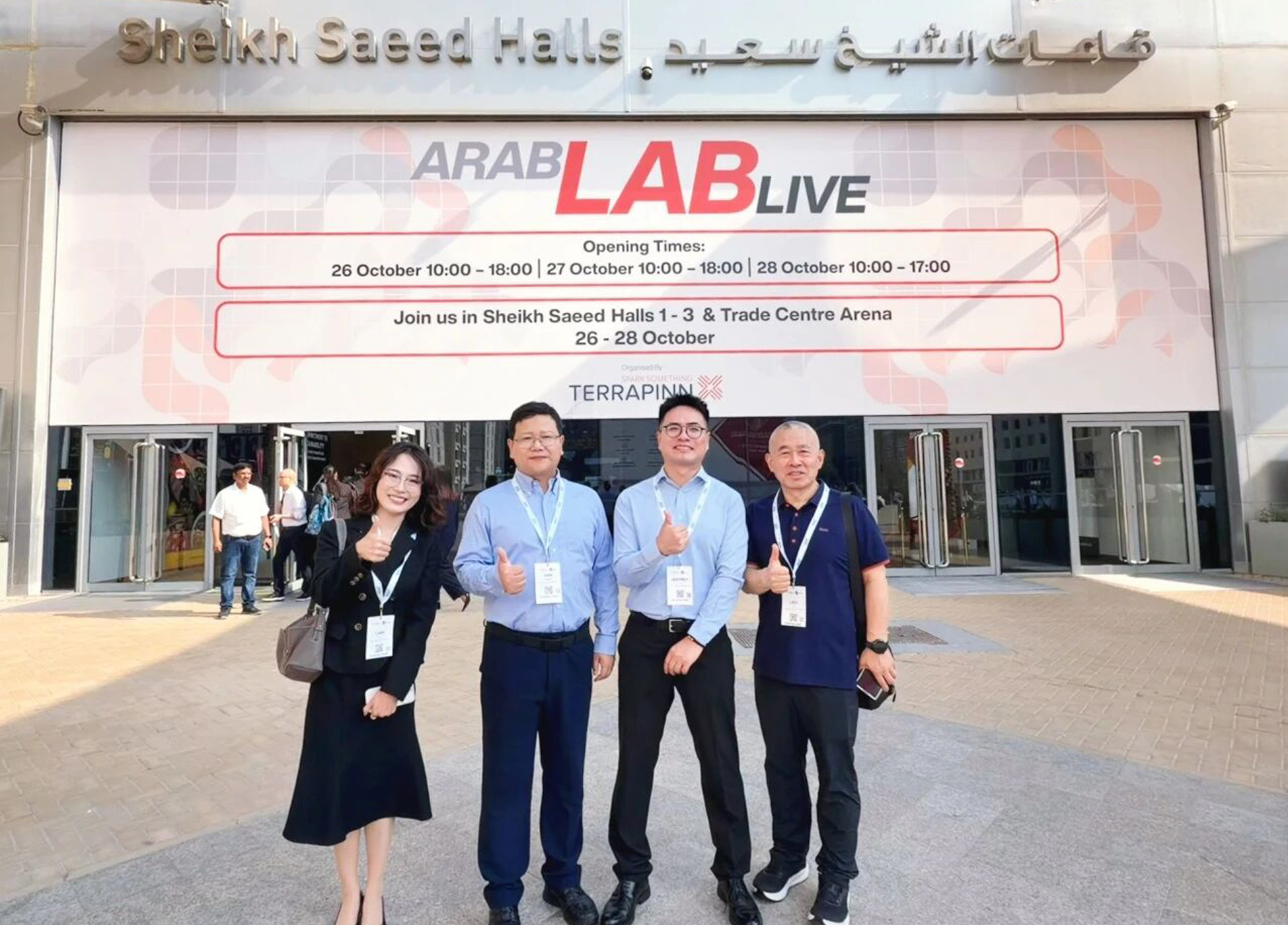
Being close to users continues from every meeting, Haineng goes to ARABLAB again
Company News
Oct 30, 2026

The quality and safety of a mooncake is not only related to food additives.From fillings and crusts to finished product packaging, we also need to pay attention to issues such as the use of preservatives and sweeteners, oil oxidation, contaminating elements, and migration of food contact materials. Consumers are concerned about "why the shelf life is so long", "whether sugar-free mooncakes are really sugar-free" and "whether nut fillings are fresh". In the end, answers need to be given through standardized sampling, scientific pre-processing and reliable instrument analysis.

The ingredients for mooncakes are not simple. Raw materials such as flour, cooking oil, and syrup may be used in the crust; fillings include lotus paste, bean paste, egg yolk, nuts, meat products, and fruit products.Different raw materials require different risks.
Mooncakes generally have the characteristics of high sugar, high oil, and complex ingredients, which not only tests the production process control, but also increases the difficulty of sample extraction, purification, and instrumental analysis. During the actual sampling inspection, the items need to be determined based on the mooncake category, ingredient composition, production process, packaging form and sampling plan. You cannot simply allow all mooncakes to share a single inspection list.
Mooncakes have different moisture content, filling composition and storage conditions, and have different requirements for microbial control. In order to extend the shelf life, some products may use preservatives, soBenzoic acid, sorbic acid and their saltsProjects such as these have always received attention. The test results should not only look at the actual content, but also be judged based on the product category, allowed use range and maximum usage.
GB 2760-2024 has made adjustments to the use scope of some food additives.The requirements for use of dehydroacetic acid and its sodium salt in food categories such as pastries and baked goods fillings have changed.Manufacturing companies should recheck formulas, raw materials and supplier information according to current standards, and cannot continue to use old formulas or old labels.
Low-sugar mooncakes and sucrose-free mooncakes are popular, but "sucrose-free" does not mean that it is completely sugar-free, nor does it mean that sweeteners can be used without restrictions. Pay attention according to product ingredients and sampling requirementsSaccharin sodium, cyclamate, acesulfame potassiumand other items, and then make judgments based on food categories and limit requirements.
Syrup, puree, bean paste and compound fillings in mooncakes will bring a more complex matrix. During detection, it is necessary to reduce interference through appropriate extraction, filtration and purification, and then use chromatographic separation to confirm the target substance to avoid poor peak shape, retention time drift or quantitative deviation.
Pollution elements such as lead and cadmium in mooncakes are generally not actively added during the production process. Their sources may involve contact with agricultural raw materials, soil and environment, processing equipment, auxiliary materials, and packaging. Different sources of legumes, grains, nuts, egg yolks and fruit products will have different background levels of elements.
Mooncakes belong toComplex organic matrix high in sugar and oil. Before element detection, microwave digestion or other appropriate digestion treatments are usually required to make the elements to be measured enter a stable and uniform solution system. Whether the digestion is complete, whether the reagent blank is controlled, and whether the experimental vessels are clean will all affect the results of trace elements.
In five-nut mooncakes and other nut-based mooncakes, raw materials such as peanuts, walnuts, sesame seeds, and melon seeds may become moldy if the storage temperature and humidity are not properly controlled. Grains, nuts and their products should also pay attention to the corresponding mycotoxin items based on the characteristics of the raw materials.
Such risks often do not arise suddenly during the finished product stage.Setting stricter factory acceptance requirements for high-risk raw materials, and adjusting the frequency of random inspections based on supplier historical data, will be more conducive to blocking problems before production.
Mooncake packaging includes plastic trays, composite films, individual packaging bags and blister packaging. After food comes into direct contact with packaging materials, under a certain temperature and storage time, some parts of the packaging willSubstances may migrate into food.
Packaging migration testing needs to be carried out based on material type, contact method, contact time and expected use conditions. According to the needs of risk monitoring or quality control, attention can be paid toSpecific plasticizers, volatile or semi-volatile migrantsand other projects. When packaging materials, inks, adhesives or suppliers change, the need for supplementary migration testing should also be assessed in a timely manner.
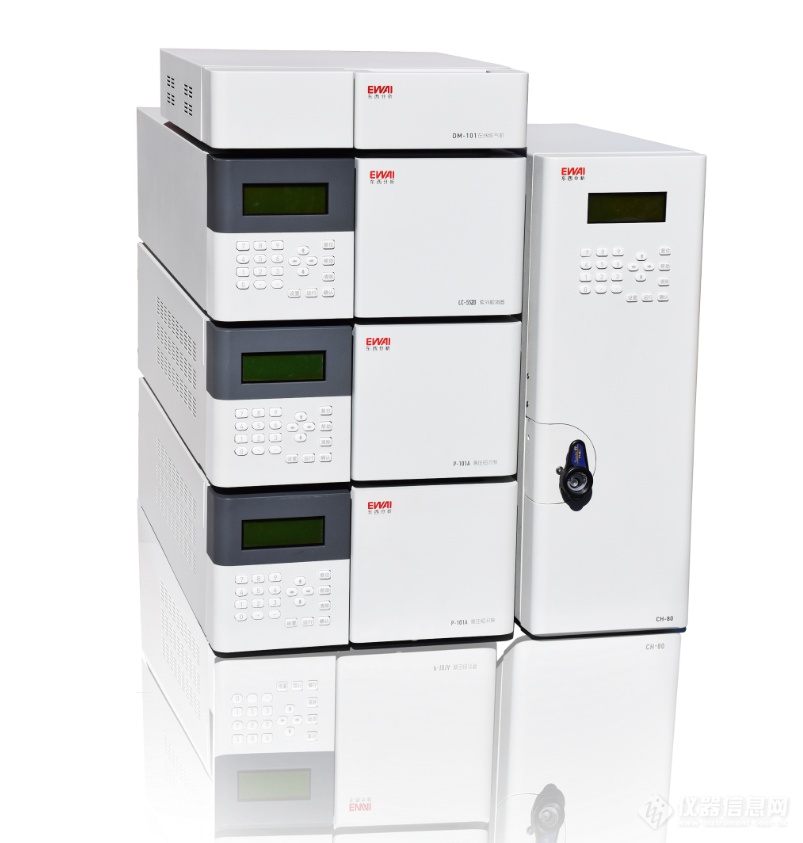
Liquid chromatography is an important technical means for the analysis of preservatives, sweeteners and other items in food. In view of the characteristics of mooncakes with high sugar, high oil and complex filling ingredients,Stable infusion, reliable chromatographic separation and good detection response, is the basis for obtaining accurate results.
The LC-5520 liquid chromatograph adopts a modular design and can be configured with an infusion system, column temperature control module and applicable detector according to the detection method.
The instrument hasLiquid leakage alarm and automatic exhaust function, helping to reduce the impact of bubbles, leakage and other problems on continuous analysis. Combined with appropriate column, sample preparation and method validation, it can be usedAnalysis of benzoic acid, sorbic acid, saccharin sodium, acesulfame potassium and other related items in mooncakes and fillings. For target substances such as mycotoxins, appropriate detectors can be configured according to standard methods.
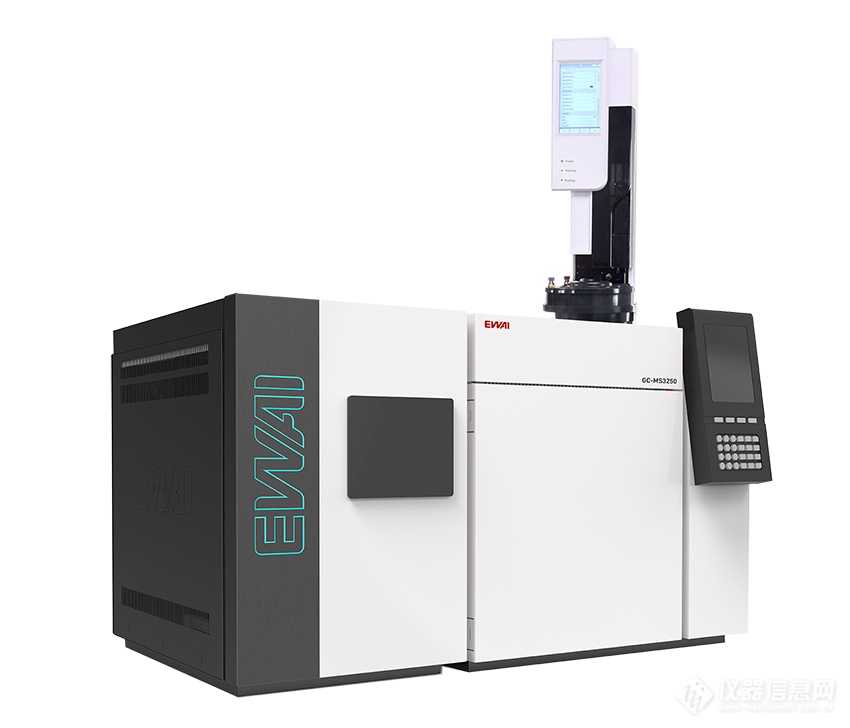
For specific plasticizers and volatile and semi-volatile migrants in packaging materials, it is often difficult to meet the qualitative requirements of complex samples solely relying on chromatographic retention time. Gas chromatography-mass spectrometry technology can be used simultaneouslyChromatographic retention information and mass spectrometric information, providing support for target compound screening and confirmation.
GC-MS 3250 uses advanced filament control technology and has DC compensation, high-speed scanning and high-speed sampling capabilities.
After completing sample extraction, purification and method verification, GC-MS 3250 can be used for the analysis of specific organic migrants in moon cake packaging and food contact materials, and can also be used for the detection of volatile and semi-volatile target substances in related raw materials and auxiliary materials.
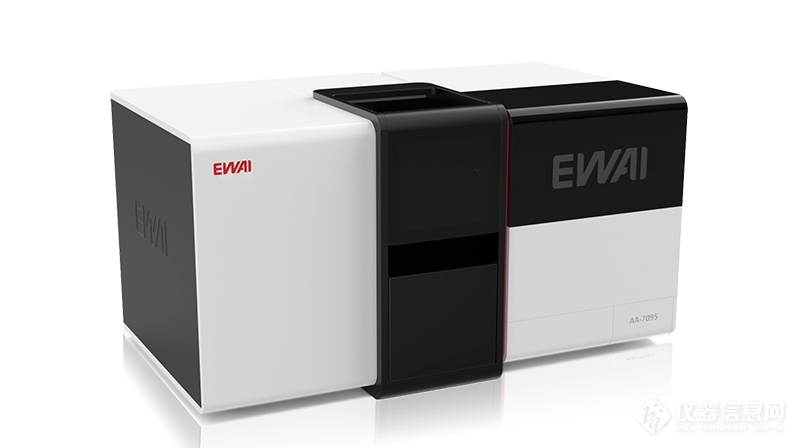
For trace elements such as lead and cadmium in mooncakes, pastries and their raw and auxiliary materials, the graphite furnace atomic absorption analysis platform can be used in conjunction with standard method requirements.
AA-7095 adopts a fixed light source eight lamp holder design, which can realizeEight lamps preheat at the same time, Reduce the time waiting for the hollow cathode lamp to stabilize during multi-element detection.The instrument is configured with a horizontally heated graphite furnace and usesLongitudinal AC magnetic field Zeeman and deuterium lamp dual background correction technology. For complex matrices with high sugar and oil content such as mooncakes, nuts and fillings, the appropriate calibration method can be selected based on sample characteristics and background interference.
Multi-element detection efficiency is particularly important when the laboratory needs to pay attention to multiple elements at the same time, or when faced with larger batches of mooncake, filling and raw material samples.
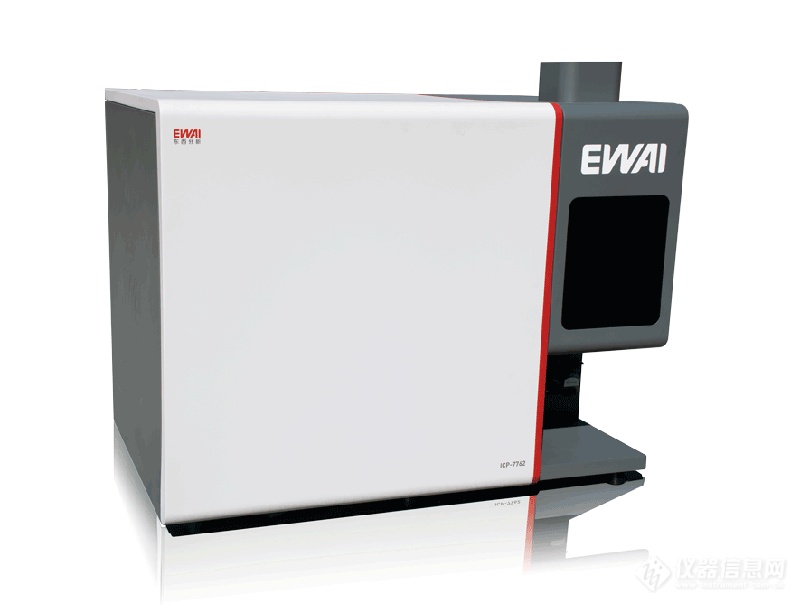
ICP-7762 was introduced by East-West AnalysisFull-spectrum direct-reading inductively coupled plasma emission spectroscopy platform, can obtain spectral information of multiple elements at the same time, reducing repeated operations caused by switching elements one by one, and is suitable for food raw material screening, production quality control and batch sample analysis.
After the sample has undergone appropriate digestion treatment, multi-element analysis can be carried out based on relevant standards, target element concentration ranges and laboratory method verification results. For laboratories with many types of raw materials, concentrated testing batches, and need to master multiple element data at the same time, the full-spectrum detection method can help improve the efficiency of analysis and data processing.
The quality and safety of mooncakes does not only depend on the last random inspection of finished products.Whether the raw materials are qualified, whether the formula meets current standards, whether the oil is fresh, whether the production process is controlled, and whether the packaging materials are suitable for direct contact with food, will affect the final product quality.
From preservatives and sweeteners to contaminating elements, from oil quality to packaging migration, each test solves a specific problem.Only by allowing the data to withstand review and allowing problems to be traced back to the source can we truly maintain the quality and safety of mooncakes from the production line to the holiday table.


When you visit any website, it may store or retrieve information on your browser, mostly in the form of cookies. This information might be about you, your preferences or your device and is mostly used to make the site work as you expect it to. The information does not usually directly identify you, but it can give you a more personalized web experience. Because we respect your right to privacy, you can choose not to allow some types of cookies. Click on the different category headings to find out more and change our default settings. However, blocking some types of cookies may impact your experience of the site and the services we are able to offer.